
Still Grinding Tungsten On A Bench Grinder?
Posted by The ACL Team (Credit: Welding Automation) on 22nd Oct 2026
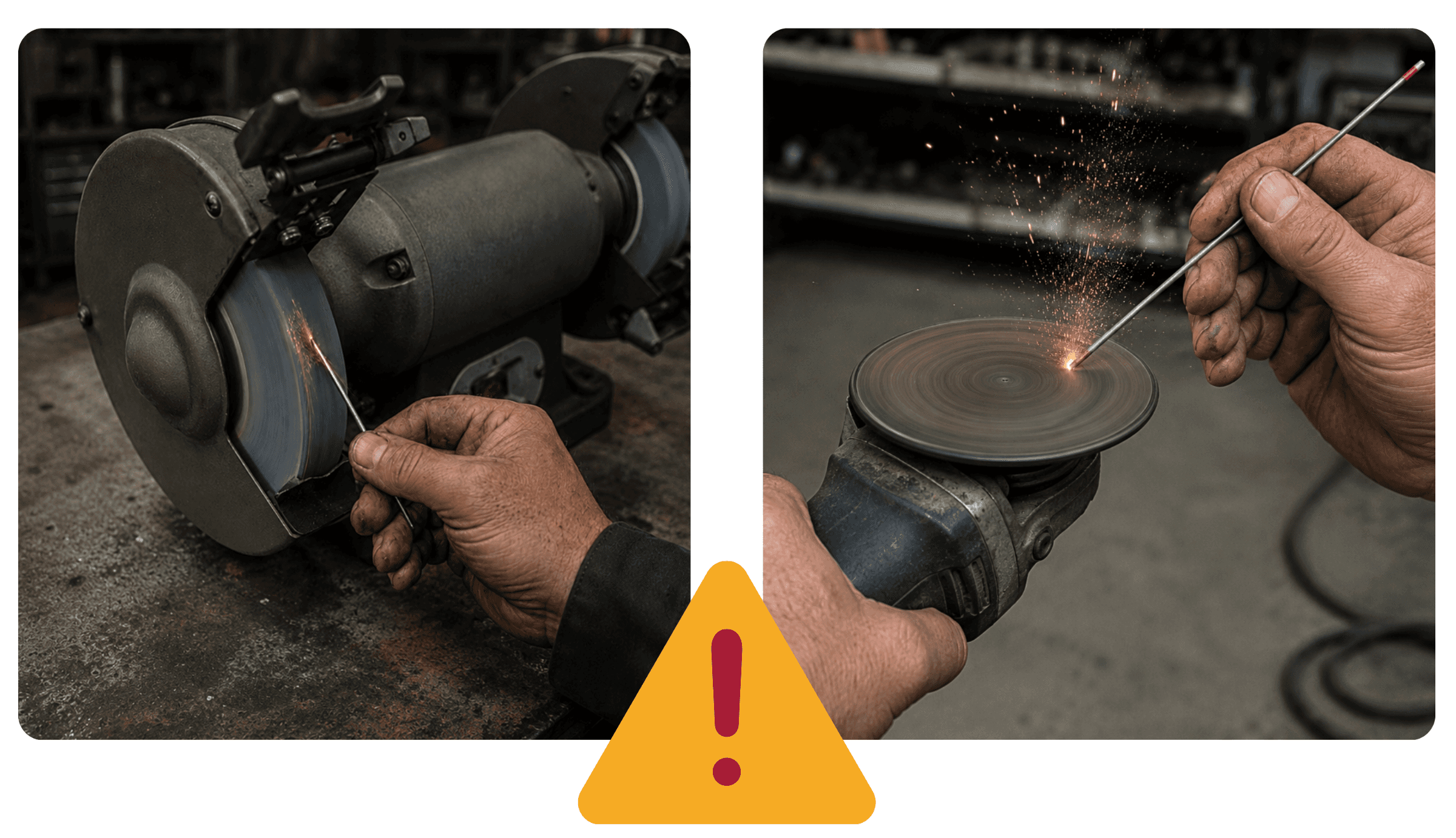
What happens to tungsten when it is ground in the open?
Bench grinders and angle grinders are still widely used to prepare tungsten electrodes, largely because they are already available in the workshop. However, grinding tungsten in the open can release fine particles into the surrounding air and allow residue to settle on nearby surfaces - causing a significant airborne contaminant exposure risk.
The issue is not limited to the person holding the electrode. Dust may also spread into shared work areas and expose other workers nearby. Open grinding also makes it difficult to contain, collect and dispose of tungsten residue in a controlled way.
Capturing tungsten dust at the source
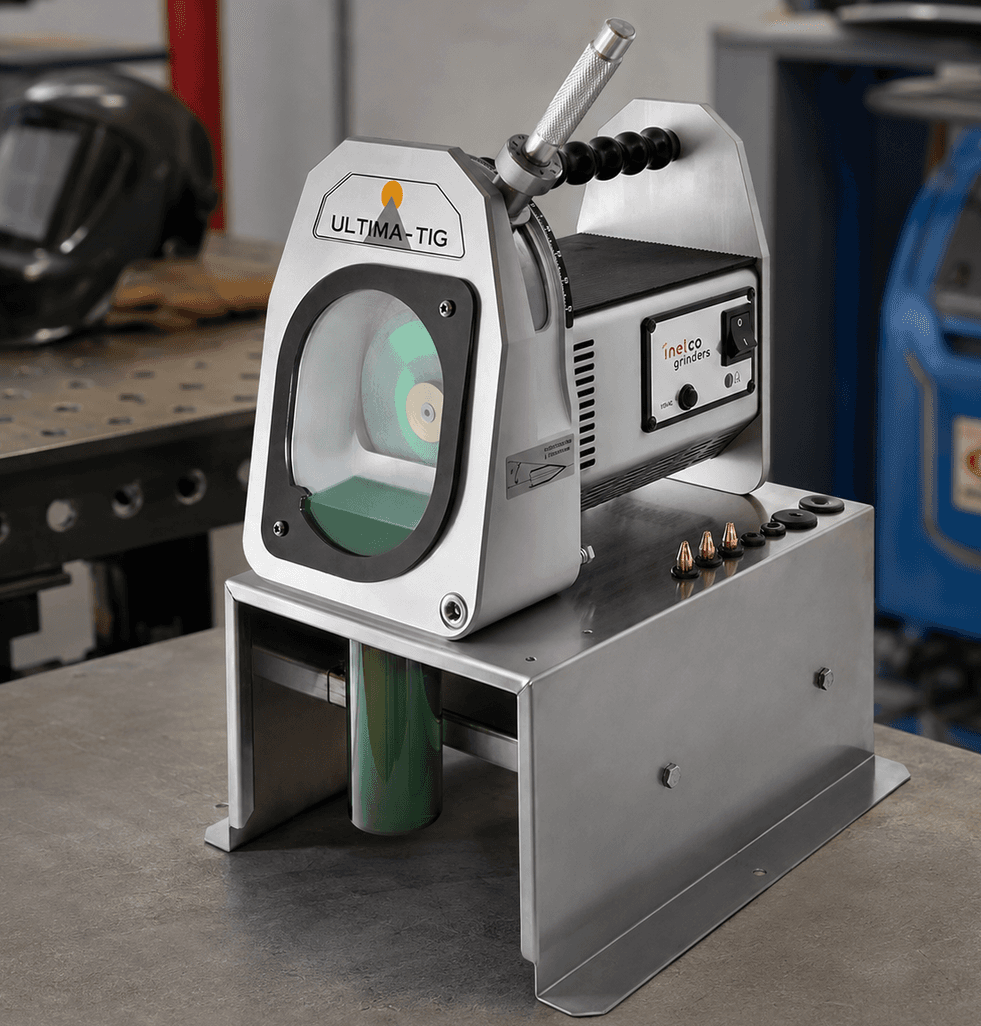
The Ultima-TIG uses a sealed, wet-grinding chamber to capture particles as the electrode is sharpened. The grinding process remains enclosed, while the liquid helps collect the residue before it can escape into the workplace.
This provides a more controlled approach to tungsten preparation and helps businesses move away from relying on open bench or angle grinders.
With new Workplace Exposure Limits applying to tungsten from 1 December 2026, reviewing how electrodes are prepared is becoming an increasingly important part of workplace dust control.
Improving safety AND weld quality
The Ultima-TIG also improves the quality and consistency of the grind itself. Operators can produce a controlled electrode angle, longitudinal grinding marks and repeatable tip geometry each time.
This supports more consistent arc starts, improved TIG welding performance and reduced electrode wastage. It also removes the need to prepare tungsten on grinding equipment that may be contaminated by other materials.
Learn how enclosed wet grinding can improve tungsten dust control and electrode preparation in your workplace.
Article source: https://weldingautomation.com.au/